

By chance, food and fuel both begin with the letter “F”, but there’s a correlation too. Various food nutrients give you strength to accomplish your day-to-day activities, just like fuel in your car.
You have to keep refueling your gas tank to keep your car moving. Similarly, you need to take care of your body with a healthy diet so that it remains nourished with vital nutrients.
As far as healthy eating is concerned, there are varying opinions about what constitutes a perfect diet. However, most nutrition experts agree on at least a few foods that are exceptionally good for you.
Some of them are known for their stellar nutrient contents, some foods help your body function better, whereas others protect you from chronic diseases.
Plan a diet that has foods that are good or excellent sources of fiber, vitamins, minerals and other nutrients.
Plus, foods should be high in phytonutrients and antioxidants, such as vitamins A, C and E and beta-carotene. Most importantly, these foods should be readily available and easy to prepare.

Here are the 10 most nutritious foods you should be eating.
Contents
1. Greek Yogurt

Loaded with lots of nutrients, Greek yogurt is a great food that you should eat on a daily basis. It contains ‘good’ bacteria that offer many health benefits and keep your gut healthy.
It also has a good amount of protein that is easy to digest. Other nutrients in yogurt include calcium, B vitamins, folic acid, lactic acid, potassium, magnesium, phosphorous, iodine and zinc.
Besides keeping your digestive system healthy, daily intake of yogurt boosts your immune system, aids weight loss, treats vaginal yeast infections, prevents high blood pressure, lowers cholesterol and supports oral health.
Eat 1 cup of Greek yogurt with live cultures daily. You can top your yogurt with nuts, pumpkin seeds or pieces of fruit, such as bananas, pomegranate and berries. You can even use yogurt to make your favorite smoothies.
2. Blueberries

All types of berries are good for your health, but blueberries are considered the best. They contain a good amount of fiber, vitamins C and K, and manganese.
Other nutrients in blueberries include vitamin A, riboflavin, folate, niacin, magnesium, potassium, copper, iron and zinc. They are also about 85 percent water and very low in calories.
Being rich in antioxidants, blueberries protect your body from free-radical damage as well as unstable molecules that can contribute to aging and diseases like cancer.
Blueberries also boost immunity, aid weight loss, improve brainpower, promote heart health, support vision health, aid digestion and control blood sugar levels.
Eat 1 cup of blueberries every day. You can add them to your breakfast shakes, smoothies and cereals. You can also add them to your Greek yogurt.
3. Spinach

Spinach is a popular leafy green vegetable that you can find year-round and throughout the world. It’s a good source of vitamins A, C and K.
It also has a good amount of dietary fiber, iron, calcium, potassium, copper, zinc, selenium, magnesium and vitamin E. Moreover, it contains lutein and zeaxanthin, two immune-boosting antioxidants.
This nutritious leafy green may help prevent and control serious health conditions, including diabetes, bone loss, certain cancers, heart disease and strokes. It even aids detoxification, prevents anemia, reduces inflammation and improves eye health.
Enjoy 1 cup of raw spinach daily in the form of salad, vegetable juice or a green smoothie. If you prefer cooked spinach, aim for ½ cup per day. For variety, you can replace spinach with other leafy green vegetables like kale.
Note: If you take anticoagulant medication, keep your intake of vitamin K-rich foods like spinach to a minimum. Also, avoid eating spinach if you have kidney or gallbladder problems as it contains oxalates.
4. Apples

‘An apple a day keeps the doctor away’ is an old Welsh proverb and it truly deserves to be called a nutritional powerhouse.
Apples are a rich source of vitamin C (a powerful natural antioxidant), B-complex vitamins (riboflavin, thiamin and vitamin B6), and dietary fiber.
They also contain phytonutrients that help protect the body from the effects of free radicals. Other minerals in apples include calcium, potassium and phosphorus. They are low in calories and have no fat or cholesterol.
By eating an apple daily, you can reduce your risk of developing cancer, hypertension, diabetes and heart disease. They also improve neurological health, prevent dementia, lower bad cholesterol, strengthen bones and support oral health.
Enjoy this fruit as a healthy snack. You can even enjoy it in juice form, included in baked desserts or as applesauce.
5. Lemons

Just one lemon has more than the required daily intake of vitamin C, a powerful antioxidant. They are also a good source of calcium, potassium, magnesium, iron, vitamin A, and B-complex vitamins. They also have strong antibacterial, antiviral and immune-boosting powers.
Lemons give a boost to your immunity and protect the body against bacterial and viral infections. They aid weight loss, support colon health, lower stroke risk, combat cancer, improve skin health, prevent asthma, lower high blood pressure and purify blood.
To enjoy the health benefits of lemons, add the juice of ½ lemon to a glass of lukewarm water along with a little raw honey and drink it daily in the morning on an empty stomach. You can also add lemon juice to your savory as well as sweet dishes.
6. Almonds

These tear-shaped seeds that come from the fruits of almond trees are packed with nutrients. Almonds are a rich source of vitamin E, copper, magnesium and high-quality protein.
They also contain fiber, riboflavin, iron, calcium and many essential amino acids. They also contain a decent amount of copper and phosphorus.
Being high in antioxidants, almonds protect cells from oxidative damage, which accelerates the aging process and increases the risk of many diseases including cancer.
They promote heart health, prevent weight gain, lower bad cholesterol, control diabetes, improve brainpower, prevent constipation and strengthen bones. They can even keep your skin healthy and solve common hair issues, such as hair loss, dryness and others.
As almonds are high in monounsaturated fats and calories, you must not eat them in excess. Just a handful of almonds a day can help improve your health.
Eat unsalted or soaked almonds as a healthy snack. You can also include almond milk, almond flour and almond butter in your diet.
Note: If you have kidney or gallbladder problems, do not eat almonds as they contain oxalates.
7. Flaxseed
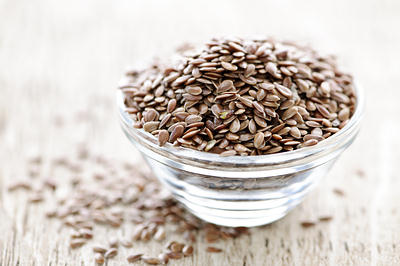
Considered to be one of the oldest foods consumed by humans, flaxseed must be included in any diet plan. Flaxseed is rich in lingans that block estrogen receptors on cells, omega-3 fatty acids and dietary fiber.
Other nutrients in it include vitamin B1, manganese, protein, copper, magnesium, phosphorus, zinc and selenium. It is also gluten-free.
Regular intake of flaxseed helps prevent certain hormone related cancers, such as breast cancer. It is also effective in lowering cholesterol, improving blood sugar, alleviating hot flashes, protecting against heart disease, and promoting digestion.
Simply add 1 to 2 tablespoons of ground flaxseed in your daily diet to enjoy its health benefits. You can sprinkle ground flaxseed in your smoothies, juice, yogurt, cereals, salads or soups. You can even use it in baking.
Note: When increasing your fiber intake and adding flaxseed in your diet, make sure to drink plenty of water throughout the day.
8. Extra-Virgin Coconut Oil
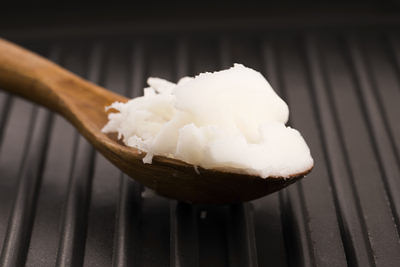
Coconut oil, extracted from mature coconuts, has been described as ‘the healthiest oil on earth’ and for good reasons. It contains healthy fats, especially medium-chain triglycerides that easy to digest and are beneficial for your health.
It has lauric acid, capric acid and caprylic acid, which have antimicrobial, antioxidant, antifungal, antiviral, antibacterial and soothing qualities. It also helps in the absorption of other minerals.
Coconut oil promotes heart health, aids weight loss, improves thyroid functioning, boosts immunity, helps digestion and regulates metabolism. It also promotes skin and hair health. You can even use it for oil pulling to support oral health.
Follow the general rule of 1 to 3 tablespoons of coconut oil a day. You can use extra-virgin coconut oil for your regular cooking and baking.
You can even use it to make salad dressings and dips. Along with the oil, you can include coconut water, coconut milk and coconut meat in your diet.
9. Oats

Oats make a great whole-grain addition to your diet. They contain a form of soluble fiber known as beta-glucan, which is particularly concentrated in the outer layers of the grain.
This soluble fiber is very good for your health as it helps lower cholesterol, aid weight loss, control blood sugar, reduce high blood pressure, protect against certain cancers, boost immunity and reduce stress.
Other nutrients in oats include protein, iron, magnesium, potassium, selenium, folate and omega-3 fatty acids. Oats also have powerful phytonutrients and antioxidants.
Eat 1 serving of oatmeal (½ cup of cooked oats) daily. For variety and additional nutrition, you can top your oatmeal with nuts, fruits or spices.
10. Broccoli

Broccoli is a popular cruciferous vegetable that has an excellent nutritional profile and offers a wide range of health benefits.
It is a great source of vitamins K and C. It also contains folate (folic acid), potassium, fiber, calcium, magnesium, phosphorus, a little zinc and iron. Moreover, it is very low in saturated fat and cholesterol.
This verdant vegetable aids detoxification, supports cardiovascular health, boosts the immune system, prevents cancer, regulates blood pressure, improves brainpower, stops premature aging, supports eye health and strengthens bones.
Eat about 2 cups of broccoli, 2 or 3 times a week. You can enjoy steamed or baked broccoli. You can even include this versatile vegetable in salads, stir fries, curries and soups.
Resources:
http://www.ncbi.nlm.nih.gov/pubmed/24804252
http://advances.nutrition.org/content/2/5/408.full
http://cebp.aacrjournals.org/content/13/9/1422.long
http://www.sciencedirect.com/science/article/pii/S0009912004001201
http://onlinelibrary.wiley.com/doi/10.1111/j.1541-4337.2012.00189.x/full




I wish if you could make a provision in order to be able to share such information through email with others.
It’s very important to take good care of the health, so that one do all the necessary things in life
tks for your info!