

Joint pain is perhaps one of the most commonly reported medical complaints that afflict a wide cross-section of people spanning races, ages, and genders. Because joint pain, medically termed as arthralgia, and arthritis go hand in hand, people regularly make the mistake of conflating the two.
Arthritis refers to joint inflammation that is typically accompanied by joint pain but is not limited to that single symptom alone. Besides arthritis, a whole gamut of other ailments and conditions can also be held culpable for painful joints.
Moreover, your joints may also get riddled with acute or chronic pain due to injured ligaments, bursae, or tendons surrounding the joint. Similarly, any trauma to the ligaments, cartilage, and bones within the joint can also trigger this kind of pain.
Joints are the meeting points of your bones, which allow for unrestraint movement of the limbs, such that without them you will be rendered completely immobile. The flipside to this key function is that the greatest brunt of our daily activities and movement is also born by our joints.
No wonder that knee pain has emerged as the most prevalent form of joint pain as joints carry the load of our entire body weight, day in and day out. Other similar sore spots include the shoulders, hips, ankles, and feet. While some joints are more vulnerable to damage than others, none of them are immune to this condition.

Contents
Causes of Joint Pain
Arthritis and gout are perhaps the two main causes behind this condition. Other causes include:
Arthritic pain is common and is associated with worse functional outcomes and poorer quality of life when compared with a range of other chronic conditions.(1)
While that may be true, one can take comfort in the fact that most cases of joint pain tend to be fairly non-threatening and resolve without any long-term complications. So as long as your pain is not emanating from some sort of chronic condition that requires prolonged treatment, you can rest easy.
Signs and Symptoms of Joint Pain
Joint pain can manifest along with a variety of symptoms. Different people can exhibit a different set of symptoms depending on the underlying cause as well as the anatomical and functional characteristics of the affected joint. Nonetheless, some of the commonly cited symptoms include:
- Stiffness localized to the affected area, which further limits the flexibility and mobility of the painful joint
- Swelling of the joint
- Gradual loss of range of motion of the affected joint
The greater the damage to your joint, the more severe are the symptoms. In some cases, people report painful joints that seem warm or tender to touch. This particular symptom is taken as a warning sign for an ongoing infection or potentially dangerous swelling, both of which call for prompt medical help.
Treating Joint Pain
Treating joint pain adequately hinges upon a definitive diagnosis of the underlying cause. To that end, your doctor will take into account your medical history, symptoms, location, intensity and timing of your pain, aggravating and mitigating factors, and genetic predisposition to this condition.
Thereafter, he may conduct a thorough physical examination and order a few tests to reach a conclusive verdict. Once the doctor has determined what is responsible for your condition, he can comprehensively go about treating it.
If the pain is rooted in an injury, the preliminary treatment often includes resting the affected joint, applying cold compresses for relief, and taking anti-inflammatory medications to ease the pain. Your doctor may even refer you to a physical therapist to help you regain joint mobility and strength through a supervised physical exercise program.
Similarly, if you are diagnosed with arthritis-related joint pain, the doctor may prescribe anti-inflammatory medications along with other drugs directed at the cause of arthritis.
Some advanced cases may warrant the need for total joint replacement through surgery. Such invasive measures are usually availed as the last resort when the pain does not respond to conventional medicine and therapies. Such extreme cases of joint pain often involve diseases of the bone, ligament, or cartilage.
Refrain from Having these Foods
Here are 10 food items that may worsen joint pain and inflammation.
1. Processed and Red Meats
Processed meat and red meat contain a protein called purine, which can lead to a flare-up of gout symptoms.
Moreover, processed foods are high in toxins known as advanced glycation end products (AGEs) that can cause inflammation. In fact, there is a significant link between red meat consumption and inflammation in the body.(2)(3)

A 2014 study published in the Proceedings of the National Academy of Sciences notes that a red meat-derived glycan promotes the development of systemic inflammation and cancer progression.(4)
Another study published in the American Journal of Clinical Nutrition in the same year has found the connection between red meat consumption and biomarkers of inflammation.(5)
- Try to limit red meat intake to no more than once a week.
- Consider swapping processed and red meat for legumes.
2. Refined and Artificial Sugars
High amounts of sugar also increase the level of inflammation-causing AGEs in the body. Sugar also triggers the release of inflammatory agents known as cytokines.
Being high in calories, excess sugar intake leads to weight gain. This may put more pressure on your joints and increase the pain.

Sugar-sweetened soft drinks may also lead to various diseases. According to a study published in the American Journal of Clinical Nutrition (2014), women who consume sugar-sweetened soda regularly are more likely to suffer from rheumatoid arthritis, independent of other dietary and lifestyle factors.(6)
- Avoid sugar-sweetened beverages as well as sugar-loaded foods.
- Instead of refined sugar and artificial sweeteners, opt for natural sweeteners such as stevia and honey.
3. Dairy Products
Dairy products can also contribute to joint pain. The high level of casein (protein) in these products may trigger inflammation and pain.(7)
This type of protein may even irritate the tissue around the joints, as per a report by the Physicians Committee for Responsible Medicine.
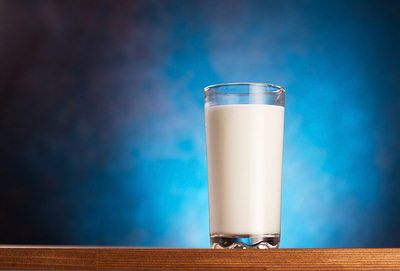
Moreover, the saturated fats in full-fat dairy products can trigger fat tissue inflammation, which in turn increases the pain. A few examples of such products are cheese, milk, and butter.
- In case you suffer from joint pain or any other type of chronic pain, refrain from using pasteurized dairy. Instead, opt for soy milk, almond milk, tofu, or other nondairy products. If your pain is severe, try a modified vegan diet for a few weeks to see if it helps.
4. Corn Oil
Corn oil is high in omega-6 fatty acids that may trigger the body to produce pro-inflammatory chemicals.
A 2012 study published in the Journal of Nutrition and Metabolism notes that an increase in omega-6 fatty acid intake could potentiate inflammatory processes and exacerbate a number of inflammatory diseases.(8)

Safflower, sunflower, grapeseed, soy and peanut oils, mayonnaise, and many other salad dressings are rich in omega-6 fatty acids.
Omega-6 fatty acids are needed for normal growth and development. Hence, it is not recommended to eliminate these products from your diet entirely.
The problem arises when there are too much omega-6 fatty acids in the body but not enough omega-3 fatty acids, which has an anti-inflammatory effect.
- Consume foods with omega-6 fatty acids in moderation and increase your intake of omega-3 fatty acids with foods such as wild salmon, walnuts, and flaxseed.
5. Refined Grains and Flour
Being pro-inflammatory agents, refined grains and flour may also worsen your joint pain. These high-glycemic-index foods trigger the production of AGEs that stimulate inflammation.
A 2013 study published in Nutrients highlights the role of daily consumption of wheat products and other related cereal grains in the manifestation of chronic inflammation and autoimmune diseases.(9)

Moreover, these grains are devoid of fiber and vitamin B and contain empty calories. Regular intake of these products can even increase the risk of degenerative diseases such as cancer, coronary heart disease, and diabetes.
- Instead of refined grain products such as white bread, white pasta, and white rice, opt for almond or coconut flour.
6. Foods that Contain Trans Fat
Trans fats, a type of unsaturated fat, occur in small amounts naturally. The wide-scale industrial production of trans fats began back in the 1950s. Obtained from vegetable fats, industrially produced trans fats are used in snacks, margarine, baked goods (packaged), etc.
In the 1990s, the Harvard School of Public Health revealed the side effects of these man-made fats. The popularity and usage of trans fats have been declining ever since. However, it is still present in several food items.
Regular intake of trans fat can lead to systemic inflammation. It can certainly make pain worse if your body is already inflamed.(10)
- Trans fat is present in several packaged foods and fast food. Check the ingredient list of all the packaged food items you buy. If you see anything that starts with “partially hydrogenated,” this means the product has trans fat in it.
The best way to steer clear of trans fats is to get majority of your sustenance from healthy and wholesome home-cooked food.
7. Gluten Containing Foods
Gluten is a family of proteins found in wheat, rye, and barley. Unlike other proteins, this complex variant is not fully broken down and digested inside the body. This may lead to several issues outside the gut in people with gluten intolerance or celiac disease, gluten sensitivity, or wheat allergies.
Gluten-free diets have become quite the rage today with more and more people swearing off this hard-to-the-stomach protein. Eliminating gluten from your diet can be a tall order, given that it’s a common addition to most of the standard food items we consume regularly.
As challenging and limiting it may seem at first, people who have stuck by this dietary decision stand by its merits and claim to feel better after omitting gluten from their diet.
More recently, a lot of attention is being given to the link between autoimmune diseases (such as rheumatoid arthritis) and gluten.
According to an article on Arthritis.Org, “Patients with arthritis are always looking for nondrug ways to manage inflammation. We know that certain foods are pro-inflammatory and that includes gluten-containing grains and the thousands of foods made from them. When some, but not all, people with celiac disease or gluten sensitivity eliminate these from their diet, they find their arthritis improves.”(11)
- Try a paleo-style diet for guidelines as this diet is naturally gluten-free.
8. Refined Salt
Refined salt, also known as table salt, is not good for your health, especially if you suffer from joint pain.
In order to make it free-flowing, refined salt contains additives and chemicals (ferrocyanide and aluminosilicate) that can throw off your body’s fluid balance.(12)

Furthermore, refined salt does not contain naturally occurring minerals, such as silicon and phosphorous, that your body needs to function properly.
Limiting your refined salt intake may also reduce calcium loss from your bones, thus decreasing your risk of osteoporosis and fractures.
- Reduce your refined salt intake to a minimum and, if possible, switch to sea salt or Pink Himalayan Salt.
- Apart from limiting salt in your cooking, you need to keep an eye on processed foods that contain excessive salt and other preservatives to increase their shelf life.
9. Foods Containing Monosodium Glutamate
Monosodium glutamate (MSG) is a flavor-enhancing food additive with preservative properties. It is most commonly found in packaged foods such as potato chips, frozen snacks, frozen dinners, canned and frozen Chinese foods, store-bought salad dressings, and soups.
MSG can trigger inflammation and pain in the body, including the joints. This artificial additive is very harmful to people who already suffer from inflammatory conditions, such as rheumatoid arthritis.(13)(14)

- As most packaged and frozen foods contain artificial additives such as MSG, strive to eat fresh foods prepared at home. Use organic products and avoid artificial flavor enhancers.
Along with MSG, avoid foods containing aspartame, a non-nutritive artificial sweetener that also triggers an inflammatory response.
10. Beer
Excessive consumption of beer as well as other alcoholic beverages can wreak havoc on your joints. In fact, heavy beer drinkers are at a higher risk of developing rheumatoid arthritis and gout.(15)
Beer is high in purine, which is converted into uric acid by the body. This can cause inflammation. Moreover, beer contains gluten. This is why it is best to avoid this beverage if you are suffering from joint pain.

In addition, the other toxins in beer can cause significant harm to your body.
- Try to limit your overall alcohol consumption if you are experiencing joint pain.
Managing Joint Pain: The Big Picture
Arthralgia can affect one or several joints at once, and the intensity of the pain can range from a dull, irritating ache to a more severe, seething sensation. In some cases, the discomfort is relatively short-lived and the pain subsides within a matter of weeks.
However, a significant percentage of adults have it harder and have to deal with a more chronic form of this condition, especially as they get older. Whether it be short-term or long-term, mild or severe, joint pain can usually be managed with over-the-counter or doctor-prescribed NSAIDs.
Bear in mind though, that pain relief medications alone usually prove insufficient for the treatment of joint pain, particularly if your condition happens to be longstanding. As the patients continue to suffer, they become increasingly dependent on NSAIDs to get temporary relief from severe pain.
However, for all their help, these drugs come with a string of harmful side effects that can be quite unsafe with prolonged and unchecked use. Thus, it is essential to know where to draw the line and limit the use of strong pain relievers by opting for rehabilitation and physical therapy.
Given that joint pain often springs from or is aggravated by poorly managed body weight as well as unhealthy and unfavorable dietary intake, you must also make it a point to watch what you eat. Continued negligence regarding your lifestyle and food choices will only increase your propensity towards this condition.
Types of Joint Pain
As far as joint pain is concerned, one case can be characteristically different from another depending upon the cause and the type of joint affected. There is no set standard with regard to the severity and duration of joint pain. Some of the common categories that joint pain falls within include:
- Polyarticular joint pain: It refers to a condition wherein the patient experiences pain in more than four joints.
- Acute joint pain: It is a temporary form of pain triggered by a disease or structural trauma to the joint and usually lasts less than six weeks.
- Subacute or chronic pain: It is much more persistent and usually springs from a chronic condition. This kind of pain tends to worsen with age and can last for three months to a lifetime.
- Some forms of joint pain are aggravated by physical activity, whereas others tend to deteriorate due to inactivity. For instances, some people report an increase in the degree of pain after engaging in a bit of running or cycling. In other cases, remaining immobile for extended periods, such as when you are asleep, can give rise to stiffness in the joints, which will only make matters worse.
Arthralgia, which is joint pain without the inflammation, is different from arthritis. However, joint pain is a common symptom of arthritis. It is important to note that osteoarthritis, the most common form of arthritis, does not involve systemic inflammation but does cause joint pain.
Experiencing joint pain does not usually constitute a medical emergency. However, if it is accompanied by certain symptoms, it can be indicative of an infection or other condition that may require immediate medical attention.
When to See a Doctor
Although most people with joint pain eventually learn to live with it by successfully managing their condition at home, they can rarely do it without their doctor’s assistance. To ensure that your treatment is right on track, it is essential to check with your doctor from time to time.
However, certain symptoms should alert you to see a doctor right away. These include:
- Swelling
- Redness
- Tenderness and warmth around the joint
- Fever or chills
- Increased perspiration
- Unexplained weight loss
- Abdominal pain
- Sudden sensations of numbness or burning
- Muscle weakness
- Debilitating pain that comes in the way of your daily activities and causes sleep disruptions
In the same vein, a visit to the doctor is warranted if your joint pain is caused by an injury and is accompanied by:
- Intense pain
- Joint immobility
- Joint deformity
- Sudden swelling
Whatever the cause behind the condition, joint pain can be managed with the help of medication, exercise, or alternative medicines. Diet can also play a major role in managing this condition.
While anti-inflammatory foods such as ginger, turmeric, and garlic can help fight pain, there are certain food items that may end up triggering it.
Those who suffer from joint pain need to stay away from certain food items that may aggravate pain and inflammation.
The Bottom Line
You can get significant relief from arthritis symptoms by:(16)
- Cutting back on foods that promote inflammation
- Increasing the proportion of fruits and vegetables in your diet
- Making fish your main source of protein
- Getting more omega-3 fatty acids
Expert Answers (Q&A)
Answered by Ms. Eileen Schutte, MS, CN, FMN, CLT (Nutritionist)
Is omega-3 better than omega-6 for those suffering from joint pain?
Omega-3 and omega-6 fatty acids are referred to as essential fatty acids. In other words, they are fats that our body cannot make on its own and are needed for many functions including controlling inflammation.
Controlling inflammation is one of the major role of these essential fatty acids, with omega-6 majorly responsible for producing inflammatory response while omega-3 for anti-inflammatory response. When the joints are damaged due to injury or arthritis, a proper inflammatory response is needed to start the healing process. But without enough omega-3 to balance out this inflammatory response, we can suffer from joint pain.
Both of these essential fatty acids can be found in animal products, fish, nuts, seeds and in some plants like purslane. Omega-3 fatty acids are predominately found in cold water fish. On the other hand, omega-6 fatty acids are predominately found in seed oils such as corn, soybean, safflower oil, cottonseed oil, nuts and other seeds like hemp seeds.
Currently our diet in the US is very high in omega-6 fatty acids with the ever-increasing use of “industrial seed oils” like corn and soybean oils which are highly processed. We also feed our livestock, poultry and even farmed raised fish, corn and soybean. Increasing the content of their meat with omega-6 fatty acids, making them more pro-inflammatory.
It is essential to maintain the proper ratio of omega-3 to omega-6 to reduce joint pain while maintaining a healthy and healing inflammatory response. The current diet in the United States has been estimated to be as high as 10:1 omega-6 to omega-3 due to high consumption of corn, soybean, cottonseed oils and trans fats.
It is estimated that in the hunter-gather era, diets were closer to the ratio of omega-6 to omega-3 of 2:1 which is where we should be at not just to reduce joint pain but to reduce risk for most chronic diseases such as heart disease.
One study found a significant improvement and mobility in patients with joint pain who had rheumatoid arthritis with supplementation of omega-3 fatty acids showing the anti-inflammatory effects. So, enjoy some healthy salmon, sardines or for those on a plant-based diet should prefer purslane which is a rich source of plant based omega-3 fatty acids.[17][18]
Can excess calcium cause joint pain?
The body regulates calcium levels very closely just like it regulates our pH levels within a very narrow range. If we consume a great deal of calcium from calcium-rich food like dairy products or if we consume large amounts of calcium from supplements, the body normally will store the excessive calcium in our bones or eliminate it through our kidneys. However, if there is a dysfunction in the parathyroid or deficiencies in vitamin D, there can be high blood calcium levels which for some can lead to joint pain.
High calcium in the blood can also bind to oxalates, a compound that the body produces and is found in many healthy vegetables, nuts and legumes forming crystals. These crystals can settle into joints and cause joint pain. This is referred to as oxalate arthropathy – a rare form or arthritis. However, it might be noted that there is an increasing prevalence of high oxalates (which can be tested in the urine) with popular green smoothies that contain spinach, kale and other greens high in oxalates.
Ironically, calcium whether from foods high in calcium or supplementation taken with a meal will actually reduce the absorption of oxalate from food but if taken between meals, it will increase the risk of high oxalates, kidney stones and possible joint pain. Foods high in oxalates are spinach, Swiss chard, beets, chocolate, nuts, and black tea.
Overall, if you want to reduce joint pain, high amounts of calcium has not been proven to be effective and can possibly cause joint pain. In addition, high consumption of calcium can actually lead to other conditions such as calcification of the arteries and electrolyte imbalances. It is advised to get the required calcium from daily food items and in most cases skip the supplementation.
Dairy foods are the richest source of calcium and for those avoiding dairy, you can get your calcium from fish like sardines and get your omega-3 all at the same time.[19][20]
Should dairy be avoided during joint pain? Is yogurt a better alternative?
One of the major causes of joint pain is food sensitivities and diary is one food that many people have a sensitivity to. Food sensitivities can be one of the root causes of joint pain as food sensitivities cause an immune response that is very pro-inflammatory. In addition, responses to food sensitivities is delayed – even up to 48 hours. They are also dosage-dependent unlike food allergies that only takes a small amount to get a response like hives or swollen lips.
So, you may not have a response with a glass of milk for breakfast but after you consume some cheese for lunch, your immune system responds causing inflammation and joint pain. There are two main proteins in dairy, whey and casein. In most cases, people react to the protein casein and that is why some people with dairy sensitivities can tolerate goat milk as goat milk has lower amounts of casein.
Should you avoid diary during joint pain? Yes, especially if you have not yet identified your food sensitivities or have not been tested for food sensitivities. It is not uncommon for people who start an elimination diet that eliminates dairy, corn, soy, beef, gluten and foods high in sugar to see significant improvement in joint pain. By re-introducing after a period of elimination of at least 4 weeks, one can identify if one has sensitivity to diary.
Is yogurt a better alternative? Whereas yogurt especially an organic yogurt may have additional benefits of probiotics and is lower in sugar, is it not a better alternative as it still contains the proteins and sugar (lactose) that people may react to increasing inflammation and joint pain.
Please provide some important tips on how to modulate one’s diet to reduce joint pain for the benefit of our readers.
- Stay away from processed foods – Reduce consumption of processed foods as they are high in trans fats, processed oils, refined sugars and do not provide the nutrients needed to manage inflammation. The body is amazing but it needs crucial nutrients like omega-3 fatty acids and antioxidants to manage and lower chronic inflammation thereby reducing pain. Processed foods are not just low in nutrient value as most of the micronutrients have been removed, they also contain chemicals that body has to process that promotes inflammation.
- Reduce foods that cause a high glycemic response – These are food that are high in sugar or carbohydrates like white potatoes that cause spikes in blood sugar and high levels of insulin which is very pro-inflammatory. Even though fruit in many cases is very healthy, it is also high in sugar so always eat fruits with protein or fat like walnuts with an apple. Or, consume fruit at the end of a meal as dessert.
- Reduce or eliminate foods high in omega-6 fatty acids – This includes the “heart healthy margarines” and instead opt for organic butter and organic olive oil. Make sure to include foods high in omega-3 fatty acids like cold water fish at least 1-3 times per week. Also, eliminate consumption of corn, soy and cottonseed oil especially those that are highly processed (which most are) – try to find organic, unrefined corn oil.
- Add vegetables and fruits in your diet – Fruits and vegetables have high quantities of antioxidants which help to reduce oxidative stress and their bioactives trigger healthy gene response that helps to reduce inflammation. Over time oxidative stress leads to chronic inflammation, which is one of the root causes of joint pain. The more color in fruits and vegetables that you eat in one day, the more you will benefit from their anti-inflammatory properties. Challenge yourself by adding a new fruit or vegetable every day for a week – you will be glad that you did.
About Ms. Eileen Schutte, MS, CN, FMN, CLT: Ms. Schutte owns a private practice located in the beautiful Deforest, WI and nutrition consulting company focused on helping women overcome hormonal imbalances, digestive conditions and food sensitivities/intolerances.
Eileen holds a master’s degree in Human Nutrition from the University of Bridgeport and is a certified functional medicine nutritionist. Her other passion is nutrigenomics and also offers nutrigenomic testing and evaluations. She has also partnered with DigBi Health – offering weight management and prediabetes program utilizing DNA testing and microbiome testing.
Resources:
- Kidd BL, Langford RM, Wodehouse T. Arthritis and pain. Current approaches in the treatment of arthritic pain. Arthritis Research & Therapy. https://www.ncbi.nlm.nih.gov/pmc/articles/PMC2206347/. Published June 11, 2007.
- Groot JD, Bank RA, TeKoppele JM. Advanced glycation endproducts in the development of osteoarthritis. Arthritis Research & Therapy. https://www.ncbi.nlm.nih.gov/pmc/articles/PMC2833544/. Published September 13, 2004.
- Pattison DJ, Symmons DP, Lunt M, et al. Dietary risk factors for the development of inflammatory polyarthritis: evidence for a role of high level of red meat consumption. Arthritis & Rheumatism. https://www.ncbi.nlm.nih.gov/pubmed/15593211. Published December 2004.
- Samraj AN, Pearce OM, Läubli H, et al. A red meat-derived glycan promotes inflammation and cancer progression. Proceedings of the National Academy of Sciences of the United States of America. https://www.ncbi.nlm.nih.gov/pubmed/25548184/. Published January 13, 2015.
- Ley SH, Sun Q, Willett WC. Associations between red meat intake and biomarkers of inflammation and glucose metabolism in women. The American Journal of Clinical Nutrition. https://academic.oup.com/ajcn/article/99/2/352/4571486. Published November 27, 2013.
- Hu Y, Costenbader KH, Sparks JA. Sugar-sweetened soda consumption and the risk of developing rheumatoid arthritis in women. The American Journal of Clinical Nutrition. https://academic.oup.com/ajcn/article/100/3/959/4576594. Published July 16, 2014.
- Labonté M- È, Couture P, Desroches S. Impact of dairy products on biomarkers of inflammation: A systematic review of randomized controlled nutritional intervention studies in overweight and obese adults. American Journal of Clinical Nutrition. https://www.researchgate.net/publication/235750328. Published February 2013.
- Patterson E, Fitzgerald GF, Ross RP. Health Implications of High Dietary Omega-6 Polyunsaturated Fatty Acids. Journal of Nutrition and Metabolism. https://www.hindawi.com/journals/jnme/2012/539426/abs/. Published April 5, 2012.
- Punder Kde, Pruimboom L. The Dietary Intake of Wheat and other Cereal Grains and Their Role in Inflammation. Nutrients. https://www.ncbi.nlm.nih.gov/pmc/articles/PMC3705319/. Published March 12, 2013.
- Mazidi M, Gao H-kai, Wirth M. The relationship of plasma Trans fatty acids with dietary inflammatory index among US adults. Lipids in Health and Disease. https://www.researchgate.net/publication/318917144. Published December 2017.
- Rath L. The Connection Between Gluten And Arthritis. Arthritis Foundation. https://www.arthritis.org/living-with-arthritis/arthritis-diet/anti-inflammatory/gluten-free-diet.php. Published July 2015.
- Marouen S, Cailar Gdu, Audo R. Sodium excretion is higher in patients with rheumatoid arthritis than in matched controls. PLoS ONE. https://www.researchgate.net/publication/320391122. Published October 2017.
- Niaz K, Zaplatic E, Spoor J. Extensive use of monosodium glutamate: A threat to public health? EXCLI Journal. https://www.researchgate.net/publication/325072342. Published March 2018.
- Malik SS, Perveen S, Fatima, I. Monosodium glutamate: Review on clinical reports. International Journal of Food Properties. https://www.tandfonline.com/doi/full/10.1080/10942912.2017.1295260. Published December 29, 2017.
- Giuseppe DD, Alfredsson L, Bottai M. Long term alcohol intake and risk of rheumatoid arthritis in women: a population-based cohort study. The BMJ. https://www.ncbi.nlm.nih.gov/pmc/articles/PMC3393782/. Published July 10, 2012.
- 8 Food Ingredients That Can Cause Inflammation. Arthritis Foundation. https://www.arthritis.org/living-with-arthritis/arthritis-diet/foods-to-avoid-limit/food-ingredients-and-inflammation-11.php.
- Cordain L, Eaton SB, Sebastian A, et al. Origins and evolution of the Western diet: health implications for the 21st century. The American journal of clinical nutrition. https://www.ncbi.nlm.nih.gov/pubmed/15699220. Published February 2005.
- Rajaei E, Mowla K, Ghorbani A, Bahadoram S, Bahadoram M, Dargahi-Malamir M. The Effect of Omega-3 Fatty Acids in Patients With Active Rheumatoid Arthritis Receiving DMARDs Therapy: Double-Blind Randomized Controlled Trial. Global journal of health science. https://www.ncbi.nlm.nih.gov/pubmed/26925896. Published November 3, 2015.
- Lorenz EC, Michet CJ, Milliner DS, Lieske JC. Update on oxalate crystal disease. Current rheumatology reports. https://www.ncbi.nlm.nih.gov/pubmed/23666469. Published July 2013.
- Calcium Supplements May Damage the Heart . Johns Hopkins Medicine, based in Baltimore, Maryland. https://www.hopkinsmedicine.org/news/media/releases/calcium_supplements_may_damage_the_heart. Published October 11, 2016.



enjoy reading your page
Ha, this article is the prepared food industries worst nightmare. You just assaulted beef, sugar, dairy, corn, baking, and egg industries with powerful blows.
NOTICE TO JOINT PAIN SUFFERERS:
If you have joint pain, just start juicing 3x per day for 1-2 months. You’ll be cured of everything, not just joint pain. Been there, done that.
If your joint pain returns, its because you started eating again the crap listed above in this article. Just start doing another 1-2 months of juicing and you’ll be cured again. Been there, done that, over and over. One day I’ll learn.
I want to be cured but what do you mean juicing? Would like to know please.
ping all
Thanks
I m so happy n can too much for healthcare.
Good
Needed skinny body
Not just for me, but for my love ones! Thanks a billion!
When you have arthritis, your body is in an inflammatory state. What you eat may not only increase inflammation it can also set you up for other chronic diseases such as obesity, heart disease and diabetes.
This is very helpful I really enjoy reading your post
Thank you for all suggestions. I shall try.
Your posts are really helpful.Thanks a lot
I enjoyed reading your post it helps a lot because you can be able to know the foods you can avoid and the one you can consume for the benefit of your health.
It’s very useful
I love it
Thanxxx
Very Interesting. Will try it. Thanks.
Interesting valuable information, Thank you.
I consumed many of these common foods, that’s the reason why my knee hurts so much. I almost could now walk bec of the severe pain
I have gout…milk and cheese is the main way i get protein in my diet…since i don’t eat animal protein or seafood protein anymore
Comment: I am laying on bed becsuse of joint pain couldn’t work, it is in all my joints, what can I do, I want to see a day with out pain plese guyes help me.
Don’t eat or you will have joint pain
Can you take Ginger Tablets instead of drinking the ginger tea? Thank you for the valuable information on this site….cant wait to try some of them to help with this severe knee pain..
Thanks Again!
Cherry juice help get the gout out
Cherry juice gets the gout out try and eat a lot of cherry too that help too for gout
Useful tips which are easy to follow at home itself esp.tips on arthritis and on uric acid control. Thanx a lot!!
Interesting and helpful
Good jobs very good information
Thanks for the information. The Home remedies are cheaper and saves cost and time cueing up at the hospital. It also prevent me from taking too much antibiotics into my body when I’m on some medications already.
Love it…..
Thanks
You cannot eat pain away.
Go for mobility and lightweight. (So difficult for the many.)
Go for sound deep sleep and enough of it. (Also often difficult, o ye.)
Drink more tap water than you do now and do it regularly (best only). Get your tastes from fruit. Mix all you consume and make them delights.
Learn how to live on plant food by filling your kitchen with it (have nuts and other material that can be kept for a month in visible glass containers, at least seven sorts! And have seven other sorts in small quanitites (as freshness is important). Add a battery of sesonings you believe in.
(Eat and drink “illegally” and for a great feast once a month. All thru a day even!)
Love your body and smile to your soul!
Great wisdom !!!!!
And right to the point for execution.
Here are things to plan, to buy and to fill up in the kitchen together with a written copy!!!!
And cheap and realistic not the least in relation to medics and pills.
You’ve helped me a lot. Will start juicing.