

Activated charcoal, also known as activated carbon, has been in the news for quite some time and for good reasons. Interestingly, its usage can be traced back to World War I, where it was used in gas masks to prevent soldiers from being poisoned by chemical exposure. It has also been used to filter water.
Activated charcoal is a form of carbon (usually derived from charcoal) activated through heat and exposure to steam and certain chemicals to have small, low-volume pores in order to increase the surface area available for adsorption or chemical reactions. The chemical process of adsorption means the chemical reaction where elements bind to a surface. This is a unique characteristic of activated charcoal.
Activated charcoal is not a natural product, and it is not the same as the charcoal you put in your barbecue grill. It is created for medicinal and other uses.
There are many varieties of activated charcoal available in the market, but those made from coconut shells, wood or other natural sources are best for health uses, especially when taking it internally. It even comes in several different forms — powder, liquid and capsules.
You can use it to improve your health and appearance, but you must use it correctly and in a proper manner.

Here are the 10 best uses of activated charcoal that you must know.
Contents
1. Treats Acne
Blocked skin pores are one of the key causes of acne breakouts. Due to the adsorption property of activated charcoal, it can help draw out impurities and toxins from the skin pores. This in turn reduces the instances of acne, pimples and other skin blemishes.
- Combine 1 tablet of activated charcoal and 2 teaspoons of aloe vera gel, mixing them until you have an even consistency.
- Apply a thin layer of this paste over your face.
- Allow it to air dry.
- Finally, rinse it off completely with lukewarm water.
- If needed, repeat again after a couple of days.
Note: This black-colored mask can stain your clothing and countertops (but not your skin), so take necessary precautions.
2. Whitens Teeth
To fight undesirable stains and plaque on your teeth, activated charcoal is highly beneficial.
The microporous charcoal can successfully adsorb plaque and other substances that create stains. Plus, it improves the pH balance in your mouth.

Activated charcoal can even prevent cavities, gum disease and bad breath.
- Wet your toothbrush and dip it into powdered activated charcoal.
- Brush your teeth as you normally do.
- When you are done brushing, sip some water and swish it around your mouth, then spit it out.
- Repeat the rinsing process until all of the black in your mouth is gone.
- Do this once or twice a week to enjoy pearly white teeth.
Note: Those who have caps on their teeth should consult their dentist before using activated charcoal.
3. Relieves Insect Bites and Bee Stings
Activated charcoal is also effective at relieving discomfort from insect bites, bee stings and even rashes from poison ivy or poison oak. Its adsorption property helps draw out and remove toxic substances from the body.

When used immediately, it can prevent swelling as well as pain.
- Moisten activated charcoal powder with coconut oil.
- Apply it on the affected area.
- Cover the area with a cloth wrap.
- Reapply every few hours, rinsing well between applications.
- Repeat until the itching and discomfort are gone.
4. Alleviates Gas and Bloating
If you’re suffering from bloating and gas, the answer to your problem is activated charcoal.
With its ability to absorb most poisons, activated charcoal can even soak up the less harmful but uncomfortable acids and gases that accumulate in your gut. This in turn provides relief from indigestion, acid reflux and a bloated stomach.

A 1985 study published in the American Journal of Gastroenterology found that activated charcoal prevents bloating and abdominal cramps following a typical gas-producing meal.
- One hour before eating any gas-producing meal, take 1 capsule of activated charcoal with a full glass of water. After eating your meal, drink another glass of water.
- For stomach bloating, take 2 or 3 activated charcoal capsules up to 3 times a day.
Note: You can take activated charcoal occasionally to relieve these symptoms, but do not take it every day.
5. Treats Poisoning
Whether it is food poisoning, a drug overdose or ingestion of chemicals, activated charcoal could be a lifesaver.
As an antidote, activated charcoal acts to purify and cleanse the body due to its amazing ability to attract poisons to itself. Once consumed, activated charcoal will stay inside the gastrointestinal tract until the person passes a bowel movement and all of the harmful substances are eliminated from the body.
Proper dosage of activated charcoal is imperative. 25 to 100 grams of activated charcoal for adults and 25 to 50 grams for children should be given in case of poisoning. The dosage is usually based on body weight, 0.5 to 1 gram per kg of body weight. Remember, it’s essential that adequate water is consumed when taking activated charcoal.
A 1988 study published in Medical Toxicology and Adverse Drug Experience analyzed the role of single and repeated doses of the oral activated charcoal in the treatment of intoxication. The researchers do not recommend administration of repeated doses in chronic intoxication.
A 2008 study published in Lancet reports that early charcoal administration might be useful, but still it does not recommend routine use of multiple doses of activated charcoal in intentional self-poisoning cases. For such cases, effective and affordable treatments are urgently needed.
6. Lowers Bad Cholesterol
A rise in bad cholesterol in the body is not a good sign as it causes arteries to narrow, making it harder for blood to flow through them. This in turn can lead to blood clots, heart attacks and strokes.
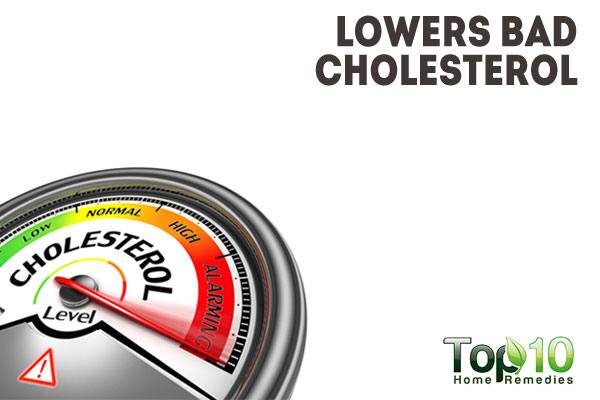
Activated charcoal can help lower the level of low-density lipoproteins (LDL or ‘bad’ cholesterol) in the body. It has the ability to attach (adsorb) cholesterol and bile acids present in the intestines, preventing their absorption. This leads to increased cholesterol breakdown by the liver, which in turn lowers bad cholesterol.
In a 1986 study published in Lancet, researchers gave patients with high cholesterol doses of 8 grams of activated charcoal, 3 times a day for 4 weeks. They found that patients’ total cholesterol decreased by 25 percent, LDL cholesterol decreased by 41 percent and high-density lipoproteins (HDL or ‘good’ cholesterol) increased by 8 percent. Plus, side effects were negligible.
When treating bad cholesterol, remember not to take activated charcoal within 90 minutes to 2 hours of taking any prescription medication or supplements, as it can prevent proper absorption.
7. Cleanses the Digestive Tract
Most of us consume several foods and drinks that are loaded with toxins and chemicals that have a negative impact on our digestive health. Hence, it is important to cleanse your digestive tract from time to time.
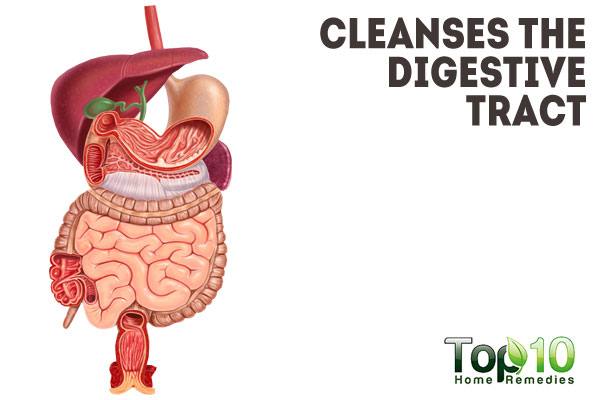
You can also use activated charcoal to get rid of built-up toxins from your digestive tract. Activated charcoal works as a great cleansing agent due to its excellent absorbing power.
To complete a digestive cleanse with activated charcoal, take 10 grams of activated charcoal 90 minutes prior to each meal, for 2 days. Make sure to drink plenty of water to prevent constipation.
8. Helps Prevent Hangovers
If you are going out to celebrate a big event with some drinks and suspect you may have a hangover the next day, you can use activated charcoal to prevent it.

When activated charcoal is taken internally at the same time as alcohol, it can reduce the blood alcohol concentration (BAC) to a great extent. Activated charcoal does not adsorb alcohol, but it aids in removing other toxins from the body that contribute to hangovers.
It may even be beneficial when one is unconscious or showing signs of acute alcohol poisoning. However, research is lacking in this field and it is best to seek emergency medical care in cases of acute alcohol poisoning.
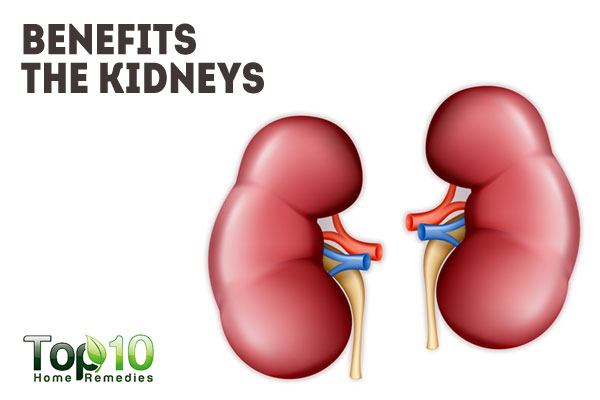
9. Benefits the Kidneys
Activated charcoal use can help prevent cellular damage to the kidneys as well as support healthy kidney functioning. This is mainly because activated charcoal helps cleanse toxins and chemicals from the body, which can otherwise cause damage to several organs including the kidneys.
A 2010 study published in the Saudi Journal of Kidney Diseases and Transplantation shows that a combination of oral activated charcoal plus a low-protein diet may effectively help control uremic symptoms in older people suffering from end-stage renal disease. Charcoal use lead to a significant decrease in blood urea and creatinine levels, and none of the patients required emergency dialysis during this time.
Another 2009 study in mice by the American Society of Nephrology showed promising results regarding the use of activated charcoal in kidney patients. It found that charcoal may help manage the high rate of heart disease in patients with advanced kidney disease. However, more research is needed in this field to come to an accurate conclusion.
10. Treats Gout
Activated charcoal is also effective in treatment of gout as it can help absorb uric acid. A high uric acid level is one of the common causes of gout, which causes a lot of pain in the joints.
- Mix ½ cup of activated charcoal powder with enough water to make a paste.
- Pour this paste into a bathtub filled with lukewarm water.
- Soak in this soothing bathwater for at least 30 minutes.
- Finally, take a warm shower.
- Enjoy this charcoal bath 2 or 3 times a week.
You can also take activated charcoal capsules orally but only after consulting your doctor.
Additional Tips
- Whenever you take activated charcoal, it’s very important to drink an ample amount of water throughout the day because it can cause dehydration.
- Do not take activated charcoal at least within an hour of eating a meal.
- Do not take any other supplements or medicines within a couple of hours of taking activated charcoal.
- Avoid activated charcoal products that contain the sweetener sorbitol, as it can lead to severe diarrhea and vomiting.
- Consult a qualified medical professional before using activated charcoal to treat health conditions.
Resources:
http://www.ncbi.nlm.nih.gov/pubmed/3521259
http://www.ncbi.nlm.nih.gov/pubmed/3285126
https://www.ncbi.nlm.nih.gov/pmc/articles/PMC2430417/
http://www.thelancet.com/journals/lancet/article/PIIS0140-6736(86)90054-1/abstract
http://www.ncbi.nlm.nih.gov/pubmed/20061701
https://www.sciencedaily.com/releases/2009/11/091101132547.htm
http://www.uofmhealth.org/health-library/hn-5203004




Great uses of charcoal. Thanks for sharing it.
Hi. I love your articles and deleted your chai tea recipe by mistake. How can I get it back? Please and thank you?✌️